
BIO 2026: Overcoming the Complexity Challenge
According to Sven Lee from Bionova, the era of predictable, plug-and-play bioprocessing platforms is coming to an end as novel advanced pipelines now require bespoke, early-stage intervention to ensure molecular quality.
Global drug development pipelines are being transformed as a result of an influx of highly complex engineered protein therapeutics that are testing the operational limits of traditional manufacturing frameworks. “It’s gotten much more difficult,” assets Sven Lee, Vice President of Global Business Development & Strategy at Bionova Scientific. “For traditional types of antibodies in years past, you could use a platform type of process and just standard CHO [Chinese hamster ovary] cell lines. Now we rely on multiple cell lines… it's really pushed the boundaries and the timelines of development early on.”
This shift forces CDMOs to discard rigid methodologies in favor of highly bespoke, early-stage intervention. Rather than optimizing for pure manufacturability later in the cycle, technical teams must now evaluate critical product attributes from the very inception of cell line development. “Our scientists have to think about some of the product qualities, the attributes of the molecules very early on as opposed to just thinking about it more from a manufacturability,” Lee specifies. “It's extended timelines. It's really forced a lot of innovation, and we can't rely on simple platforms.”
Focusing on potential bottlenecks impacting clinical timeline predictability, particularly in relation to plasmid DNA (pDNA) — which has become more of a critical raw material for many advanced therapy platforms — Lee highlights that there has been a shift over recent years. “In the past, the bottlenecks really were just trying to get with manufacturers that could produce pDNA,” he says. “Now, capacity is not as much of a bottleneck, it is more about the types of technologies that are really available to produce really high-quality products with very good titers as well.”
Additionally, considerations around such qualities of a potential partner are becoming necessary earlier on in a development lifecycle, especially in lieu of changing regulations for advanced therapies, Lee confirms. “So, it’s less about the bottleneck and more about getting the right product early on. That’s really critical to solve for predictability, not just capacity,” he says.
Furthermore, given ongoing macroeconomic uncertainty, biopharma innovators are actively re-evaluating the geographic distribution of their technical partners. “I think one of the biggest impacts for this trend was COVID, where people really started to think about the geopolitical situation, the impact of having product available, raw materials available, locally sourced so that production can continue,” Lee adds. “Particularly within our industry, it was really important to find organizations and companies that are based in the U.S. and Europe for ease of access.”
Drawing upon his experiences, Lee reveals that even when companies are performing some of their early development work in Asia, they still want to transfer the project over to the U.S. or Europe to ensure regulatory requirements for those regions are met. “Oftentimes, it's important for our partner companies to have development/manufacturing done that would be applicable to the critical
clinical trials that they're working on. So, it's a balance,” he comments.
Bionova Scientific will be exhibiting at this year’s BIO conference at stand #5519
Click the video above to view the full interview
About the Speaker
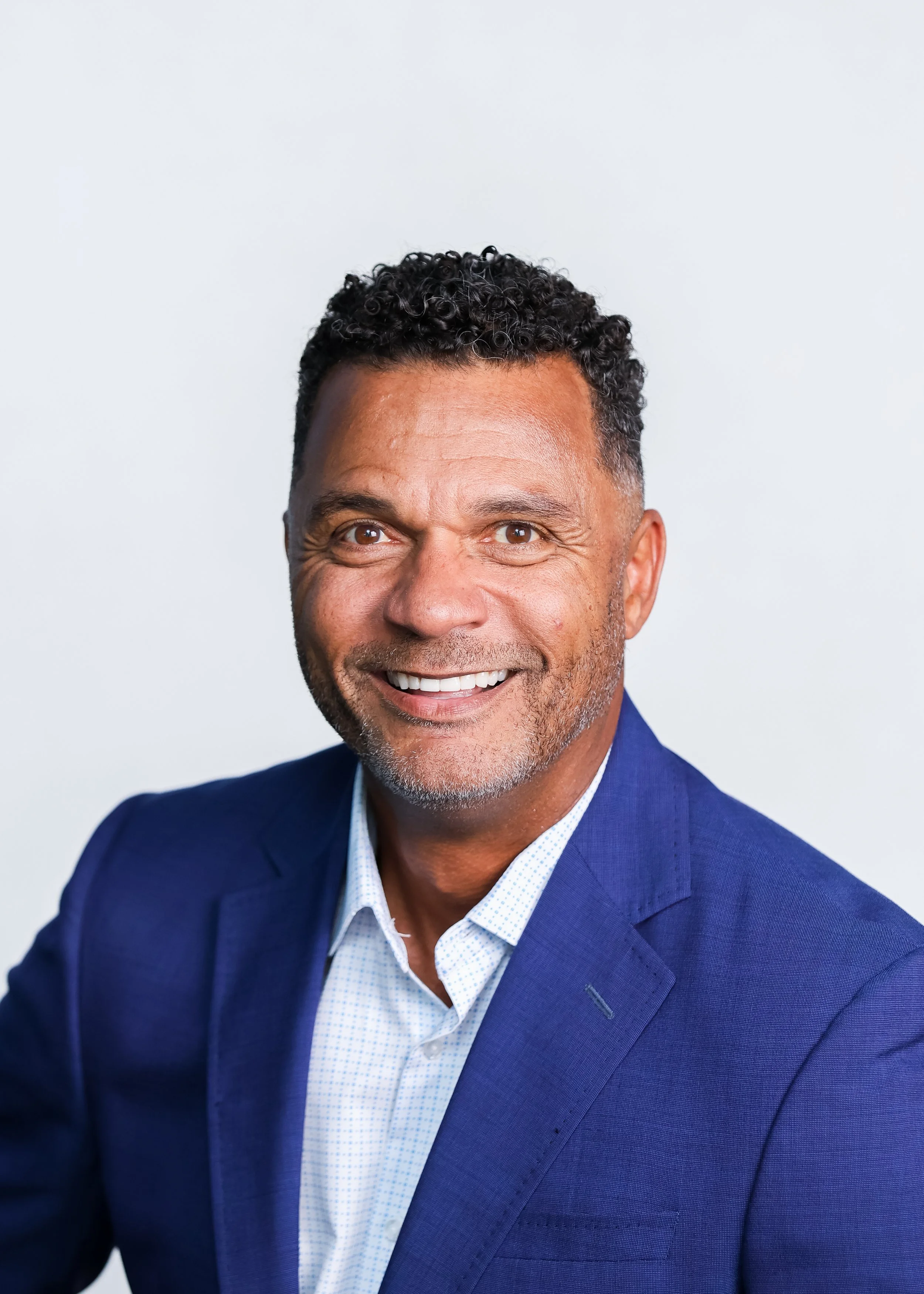
Sven Lee is Senior Vice President of Global Business Development & Strategy at Bionova Scientific. Sven is an accomplished international leader with experience in both public and private organizations in the biopharma industry. With a proven track record in business development, marketing, executive management, and commercialization, Sven has successfully led global strategic and tactical plans for organization expansions, CDMO solutions, and product launches. He has worked extensively in US, Europe and APAC, including Japan, China, Australia, S. Korea and Singapore. His expertise spans various modalities, including biologics (mammalian, E. coli, ADC (bioconjugation), cell & gene therapy, small molecules and medical devices, with a focus on technologies, licensing and collaborations for development to manufacturing.
Prior to joining Bionova, Sven held held key positions at Biogen, Catalent Biologics, Abzena, Terumo BCT, and Crucell Holland B.V. (now Johnson & Johnson), and has served as Board Member for BioCina and GBI Biomanufacturing. He is also a regular guest lecturer at the University of California San Diego, Skaggs School of Pharmaceutical Sciences.
Sven earned his B.A. in Biology at Lake Forest College in Lake Forest, Illinois. He has also completed executive education programs at Kellogg School of Management at Northwestern University and Harvard Business School.
Music from #Uppbeat (free for Creators!):
https://uppbeat.io/t/richard-smithson/air
License code: BASFRAPGWFGIZFVP
Image Credit: © LIGHTFIELD STUDIOS - stock.adobe.com