
CPHI Frankfurt 2025: Achieving the Three Pillars of Flexibility, Reliability, and Sustainability
CDMOs need to be more than just providers of capacity, they need to be integrated strategic solution partners, embedding flexibility, reliability, and sustainability into their business models, according to Dr. Max Lauwiner from Valsynthese.
Current geopolitical tensions are creating an increasingly volatile environment for the bio/pharma industry, meaning that many service providers are having to redefine their strategies to remain adaptable while also maintaining a robust supply chain. “The industry has learned that flexibility and reliability must go hand-in-hand,” stresses Dr. Max Lauwiner, CEO of Valsynthese.
Using Valsynthese’s approach as an example, Lauwiner explains that operating in a modular, multi-purpose setup with an agile project execution framework—while also reinforcing long-term supplier partnerships and reducing redundant sourcing strategies—helps to manage these demands. “CDMOs are increasingly evolving from pure capacity providers into integrated strategic solution partners. They are not just manufacturing for clients, but offering full lifecycle support, starting from route selection, process optimization, analytical services, and regulatory support, and, last but not least, supply chain risk mitigation,” he says.
“In times of volatility, transparency and communication are as important as technical capabilities,” Lauwiner continues. By considering the supply chain early in the process, it becomes possible to anticipate and mitigate potential risks before they can impact a project.
Another key trend shaping the bio/pharma industry is the growing focus on environmentally conscious practices and reducing carbon footprints. “Sustainability has become a core pillar, not just a secondary objective, in our industry,” Lauwiner asserts.
CDMOs are playing an increasingly active role in improving sustainability through co-developing greener processes using technologies such as flow chemistry, solvent recycling, and circular chemistry approaches. “Valsynthese is also actively exploring bio-based materials as replacements for petrochemical-based materials and innovative catalysts to reduce the environmental impact of our activities while maintaining process efficiency,” he notes.
To achieve industry-wide sustainability, collaboration is essential, Lauwiner emphasizes. “Ultimately, the key is to embed sustainability into the business model,” he specifies. “CDMOs should view sustainability as a source of competitive advantage, rather than a compliance exercise.”
Click the video above to view the full interview
Valsynthese can be found in Hall 6.1 Booth #D62 at CPHI Frankfurt.
About the Speaker
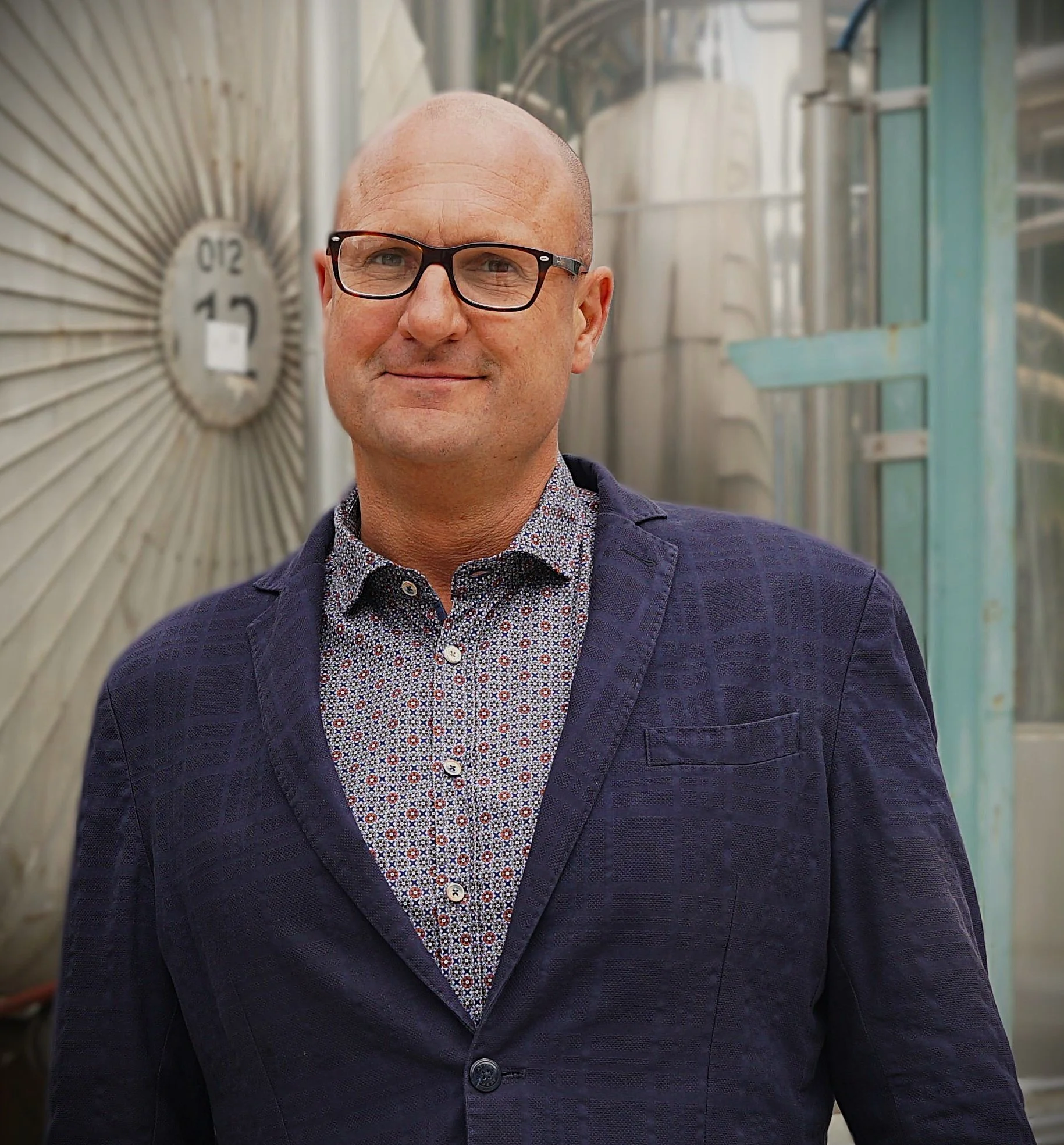
Dr. Max Lauwiner, PhD, is the Chief Executive Officer of Valsynthese, the fine-chemicals and CDMO division of the SSE Group.
With a PhD in chemistry and more than 20 years of experience in the chemical and life sciences industries, including senior roles at Lonza, he brings deep expertise in process development, innovation, and strategic growth.
At Valsynthese, he is driving the company’s evolution into a globally recognized Contract Development and Manufacturing Organization, combining Swiss precision with a focus on sustainability, quality, and customer-centric solutions.
Music from #Uppbeat (free for Creators!):
https://uppbeat.io/t/richard-smithson/air
License code: QHDAN9DIKVMQW8EK
Image Credit: © Andrey Kudrin - stock.adobe.com