
BIO 2026: Beyond the DNA Blueprint
While DNA provides a baseline footprint for research and development, unlocking true biological complexity requires integrating dynamic multi-omics datasets, reveals Karolina Žukauskienė from VUGENE.
“Historically, genomics was the first omic discipline to achieve large-scale standardization,” specifies Karolina Žukauskienė, Scientific Project Manager at VUGENE — a specialist in multi-omics data analysis and interpretation. That standardization enabled a dramatic reduction in cost of drug discovery and allowed companies to mature their pipelines more rapidly, she notes.
“Naturally, the industry focused on extracting as much value as possible from DNA-based information,” Žukauskienė continues. “However, biology is dynamic and DNA really provides a good basis, it’s a footprint, a blueprint, but it doesn’t fully explain how the cells interact, how disease develops, how disease evolves over time, and how the treatment works once injected. To answer those questions, researchers really needed multiple layers of biological information, and to include more dynamic omics, such as proteomics and metabolomics that really reflect the current state of the biological system.”
However, industry faced a challenge in relation to the integration of multi-omics data, which uses different technologies at different scales, resolutions, and quality levels, meaning that it was easier to look at the individual omics, Žukauskienė explains. “But we are now really reaching the point where technology — both data generation and computational power of analytical methodologies — have evolved really sufficiently to make true multi-omics integration possible and applicable in the R&D setting,” she says.
From a technological standpoint, data fragmentation is still a persistent issue for R&D teams, continues Žukauskienė. “We see that different organizations and sometimes different departments within the same organization are generating data independently and are using different platforms, different analytical standards, different storage systems,” she points out. “As a result, data sets may exist within the same organization but remain very disconnected with one another.”
Additionally, while generating multi-omics data has become relatively straightforward, analyzing and interpreting the data remains challenging, Žukauskienė remarks. “Omics datasets are often collected across different cohorts and experimental conditions and that makes extracting biologically meaningful signals more complex, and that really requires quite specific expertise,” she adds.
“Bridging the gap and collaborating within organizations, within these departments, is key,” Žukauskienė asserts. “The challenges don’t lie in generating the data anymore, but it is about creating the analytical frameworks and connecting diverse datasets that can be translated into biologically important insights and lead to new discoveries and developments.”
Focusing on single-cell sequencing and transcriptomics, Žukauskienė reveals that while these have afforded industry with powerful insights into precision medicine, there is still a challenge around distinguishing real biology from noise. “Industry is addressing [this issue] through simply developing more advanced statistical methods for analyzing the datasets and also applying AI [artificial intelligence]-based foundational models,” she says.
“So, one of the most broadly used models is called single-cell GPT at the moment that can really validate rare cell populations against large reference datasets,” Žukauskienė highlights. This model utilizes AI for analysis and features more precise tools to combat potential noise issues without losing genuine signals, she emphasizes.
“I think, when it comes to rare cell types, the focus today is not only on finding and identifying the rare cells, but to ensure that the findings are reliable, reproducible, and really biologically relevant,” Žukauskienė summarizes. “So, I think here we've once again come to the interpretation part, and just really understanding the biological relevance and meaning.”
VUGENE will be exhibiting at this year’s BIO conference at stand #5143
Click the video above to view the full interview
About the Speaker
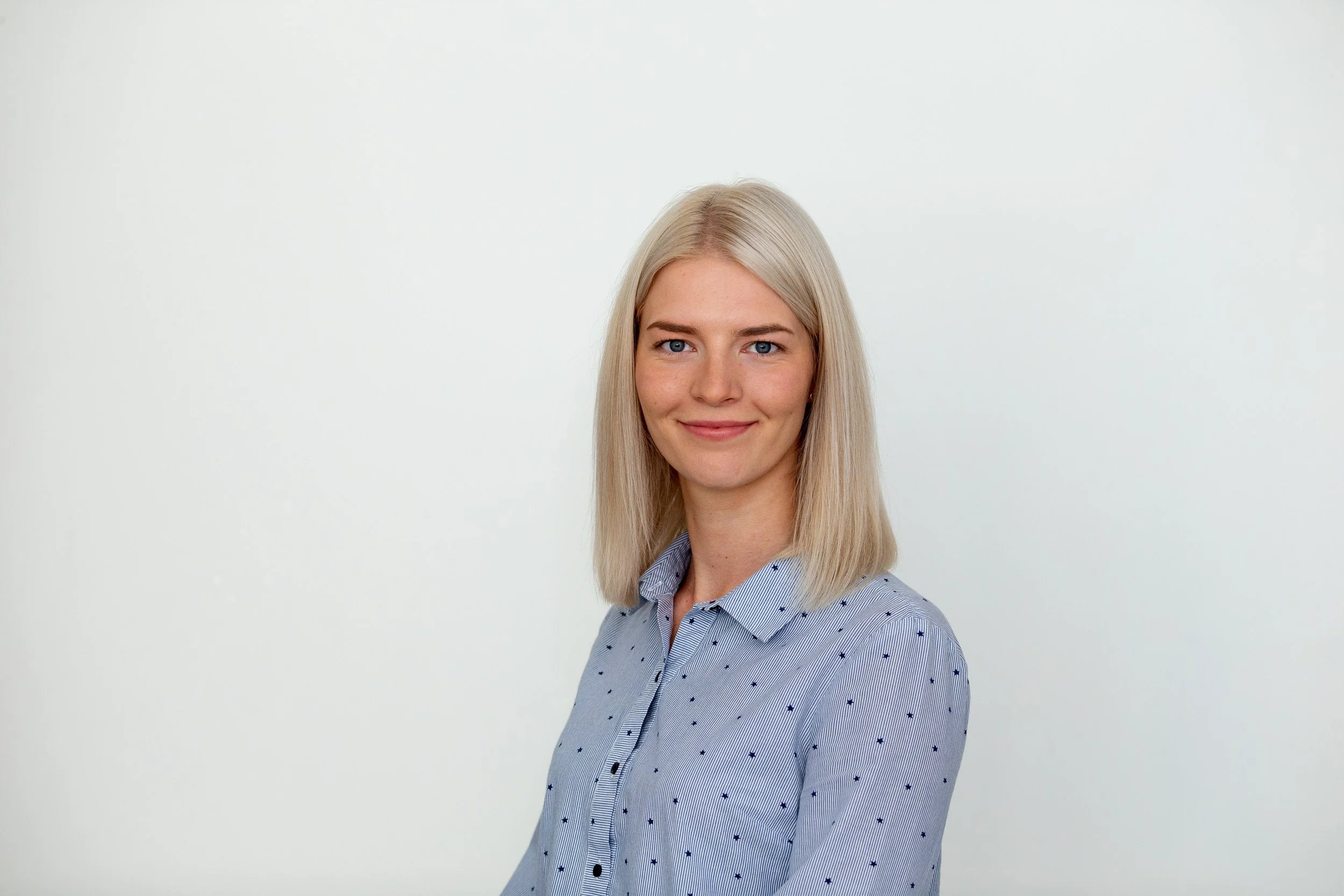
Karolina Žukauskienė is Scientific Project Manager at VUGENE. Karolina holds a Bachelor’s degree in Molecular Biology and a Master’s degree in Molecular Biotechnology from Vilnius University. At VUGENE, she leverages her scientific background to drive sales and business development, ensuring that companies and institutions around the world gain access to VUGENE’s cutting-edge bioinformatics solutions.
Music from #Uppbeat (free for Creators!):
https://uppbeat.io/t/richard-smithson/air
License code: BP4PNLIPKMZVQ8DJ
Image Credit: © vegefox.com - stock.adobe.com