
CPHI Americas 2026: A Platform for Strategic Conversation
As the pharmaceutical supply chain digitizes, the unique human element of face-to-face networking remains fundamental, according to Sherma Ellis-Daal, Brand Director for CPHI Americas.
The corporate landscape for pharmaceutical networking has traditionally been defined through the exhibition format, with hallways of expansive vendor booths designed primarily for product discovery. However, as digital platforms have increasingly internalized the baseline research phase of procurement, the value proposition of physical gatherings has drastically shifted. In 2026, industry professionals no longer travel to conferences to collect product brochures; they seek context, peer validation, and actionable strategies to handle highly complex macro disruptions.
Recognizing the fundamental shift in professional information consumption, CPHI Americas 2026 is rolling out a reimagined, content-led structure. To explore the mechanics behind this operational redesign, The Pharma Navigator sat down with Sherma Ellis-Daal, Brand Director for CPHI Americas at Informa Markets.
A Reimagined Event
TPN: Could you give a quick overview of what visitors can look forward to at this year’s CPHI Americas?
Ellis-Daal: CPHI Americas 2026 represents a transformative evolution in how we bring the pharmaceutical community together. This June (2–4) in Philadelphia, attendees will experience a reimagined event that prioritizes deep learning, strategic networking, and actionable insights over traditional exhibition floor browsing.
We've fundamentally restructured the event around five curated content tracks, featuring industry-leading speakers addressing the most pressing challenges facing pharmaceutical manufacturing and development today: Track 1 — US Insights; Track 2 — R&D Excellence — Biologics; Track 3 — US Manufacturing Excellence; Track 4 — Supply Chain, AI, & Emerging Technologies; Track 5 — Market Strategy.
Recognizing the critical role of contract development and manufacturing organizations in today's pharmaceutical ecosystem, we've developed dedicated sessions with industry experts exploring partnership models and capacity planning.
Pivoting Toward a Content-Focused Format
TPN: For 2026, the event is moving away from the traditional large-scale expo format toward a more curated, content-led experience. What was the specific feedback from the industry that prompted this shift, and what does it tell us about how pharmaceutical professionals prefer to consume technical information today compared to five years ago?
Ellis-Daal: The decision to pivot toward a content-focused format emerged from consistent, clear feedback from pharmaceutical professionals about how their information needs and learning preferences have fundamentally changed.
Our attendees indicated they were coming to events with increasingly specific, complex questions. There is an increasing need to engage with thought leaders, participate in substantive discussions about emerging challenges, and connect with peers facing similar issues — not just vendors promoting solutions.
We’ve also seen a shift in information consumption. Today, pharmaceutical professionals have unprecedented access to product information, vendor comparisons, and technical specifications online. The research phase of vendor selection increasingly happens digitally before any in-person interaction occurs. This means the value proposition of physical events is shifting.
Attendees across the Americas no longer need events primarily for product discovery; they need them for context, interpretation, peer validation, and relationship building around complex strategic decisions. They're seeking expert perspectives on navigating regulatory changes, understanding emerging technologies' practical implications, and learning from others' implementation experiences.
The content-led format acknowledges this reality. By centering the event around curated programming, expert-led sessions, and facilitated peer discussions, we're delivering what pharmaceutical professionals actually need from in-person gatherings in 2026: strategic insight, contextual understanding, and meaningful professional connections that can't be replicated through digital channels alone.
Navigating Dual Imperatives
TPN: With the current spotlight on supply chain resilience and cybersecurity, how do you balance the need for long-term strategic discussions with the immediate concerns that manufacturers are facing in real-time?
Ellis-Daal: The pharmaceutical industry exists in a constant state of tension between long-term strategic planning and immediate operational pressures — and this has never been more apparent than in today's environment around supply chain resilience and cybersecurity.
We've designed our content agenda to explicitly address both timeframes, recognizing that pharmaceutical professionals need to simultaneously manage current crises while building capabilities for future challenges.
We're featuring sessions that provide actionable guidance on current threats — cybersecurity protocols for manufacturing environments, supply chain risk assessment frameworks, and crisis response strategies. These sessions are designed to deliver practical tools and approaches that attendees can implement immediately upon returning to their organizations.
Parallel tracks explore longer-term questions about supply chain architecture, the role of regionalization versus globalization, investment in redundancy and resilience, and the integration of digital technologies for supply chain visibility and predictive analytics.
Where our programming becomes most valuable is in helping attendees understand how their responses to immediate challenges should align with longer-term strategic objectives. For example, cybersecurity investments made today in response to current threats should be part of a broader digital transformation strategy. Supply chain adjustments made to address current disruptions should consider future scenarios around geopolitical risk, climate change, and market evolution.
We're also creating opportunities for peer-to-peer learning where professionals can share how they're navigating these dual imperatives in their own organizations — what's working, what's not, and how they're making trade-offs between immediate needs and long-term positioning.
Interconnected Issues for Advanced Therapies
TPN: Based on the speakers and sessions you’ve curated for this year’s event, what issues are currently facing the advanced therapies sector that will likely dominate the conversation in Philadelphia?
Ellis-Daal: Based on our speaker lineup and session development process, several interconnected issues are emerging as central to the advanced therapies conversation at CPHI Americas 2026:
Manufacturing Scale and Economics: The industry is grappling with how to move advanced therapies from boutique, patient-specific production to more scalable manufacturing models without compromising the personalized nature of these treatments. This includes discussions about platform technologies, process automation, and the economics of cell and gene therapy production; such as Luiz Barberini’s session — BAYER’s External Manufacturing Head LATAM — titled ‘Building Resilient Supply Chains: Bayer’s Best Practices in Procurement and External Manufacturing.’
CDMO Partnership Models: As demand for advanced therapy manufacturing capacity outstrips internal capabilities at most pharmaceutical companies, there's intense focus on how to structure effective CDMO partnerships. This includes questions about technology transfer for complex processes, quality assurance in distributed manufacturing networks, and intellectual property protection. A panel of experts from Cambrex, PLD Pharma Services, and AltaSciences will unpick this topic during the session, ‘Rethinking CDMO Partnerships: From Transactions to Strategy.’
Supply Chain Complexity: Advanced therapies involve supply chains of unprecedented complexity — from patient material collection and transportation to manufacturing to delivery of finished product within tight timeframes. Sessions including a panel titled ‘Digital Supply Chains: Navigating Risk in an Era of Intelligent Transformation’ will explore logistics solutions, cold chain management, and coordination across multiple stakeholders.
Regulatory Pathways and Compliance: As regulatory frameworks for advanced therapies continue to evolve, companies are navigating questions about demonstrating comparability across manufacturing sites, managing changes to approved processes, and meeting documentation requirements for these novel modalities. In a panel discussion titled, ‘FDA in Flux: Navigating the New Regulatory Landscape,’ Molly Klote — President and CEO of Klote Medical Research Advisors, LLC — alongside other leading experts will dig into how these shifts are reshaping the regulatory landscape in the United States and what it means for companies operating domestically.
Access and Commercialization: Beyond manufacturing and regulatory challenges, the industry is confronting fundamental questions about pricing, reimbursement, and ensuring patient access to these potentially life-changing but expensive therapies. In a fireside chat titled ‘Unlocking the Next Frontier of Cell Therapy,’ with John Tomtishen — Global Head of Cell Therapy Field at Catalent — the audience will gain forward-looking perspectives on scalable manufacturing solutions, regulatory considerations, and strategic innovation required to broaden patient access and deliver transformative impact across multiple therapeutic areas.
Ultimately, the conversations in Philadelphia will be characterized by a sense of urgency — advanced therapies represent the future of medicine, but realizing that future requires solving these manufacturing, regulatory, and commercial challenges now.
Reinforcing the Sense of Community
TPN: As the industry becomes increasingly digitized what is the unique human element that a physical meeting like CPHI provides which digital platforms still fail to replicate for the pharmaceutical supply chain?
Ellis-Daal: Despite rapid digitalization, certain elements of pharmaceutical business relationships simply cannot be replicated online.
In an industry where partnerships involve massive investments and where quality failures have life-or-death consequences, the ability to meet face-to-face and develop personal rapport remains fundamental. Digital platforms can maintain relationships, but they struggle to create the trust required for major business partnerships from scratch.
While the event app is brilliant at helping to facilitate meetings on-site, sometimes the most valuable connections often happen unexpectedly — a coffee break conversation leads to a partnership, an overheard discussion sparks a solution, a chance meeting reconnects colleagues who can now help each other. Digital platforms excel at planned interactions but miss the serendipitous encounters and contextual learning that happen naturally at in-person events like CPHI.
Ultimately, physical gatherings at events like CPHI reinforce the sense of professional community and shared purpose that defines the pharmaceutical supply chain. And no digital product or service can replace that unique human-to-human connection.
A Platform for Advancing Conversations
TPN: Could you encapsulate what CPHI Americas represents for the industry?
Ellis-Daal: CPHI Americas 2026 represents more than an event; it's a platform for advancing the pharmaceutical industry's most important conversations.
By bringing together the right people, facilitating the right discussions, and creating space for both learning and relationship building, we're contributing to the industry's ability to solve complex challenges and deliver better outcomes for patients.
Our enhanced focus on CDMOs reflects their increasingly central role in pharmaceutical innovation. As more companies adopt asset-light strategies and as advanced therapies require specialized manufacturing capabilities, CDMOs are becoming true partners in drug development and commercialization. CPHI Americas 2026 will showcase this evolution and facilitate the partnerships that will define the industry's future.
I invite pharmaceutical professionals to join us in Philadelphia this June for what promises to be a landmark event — one that reflects where our industry is today and helps shape where it's going tomorrow. Click here to find out more and register today.
About the Interviewee
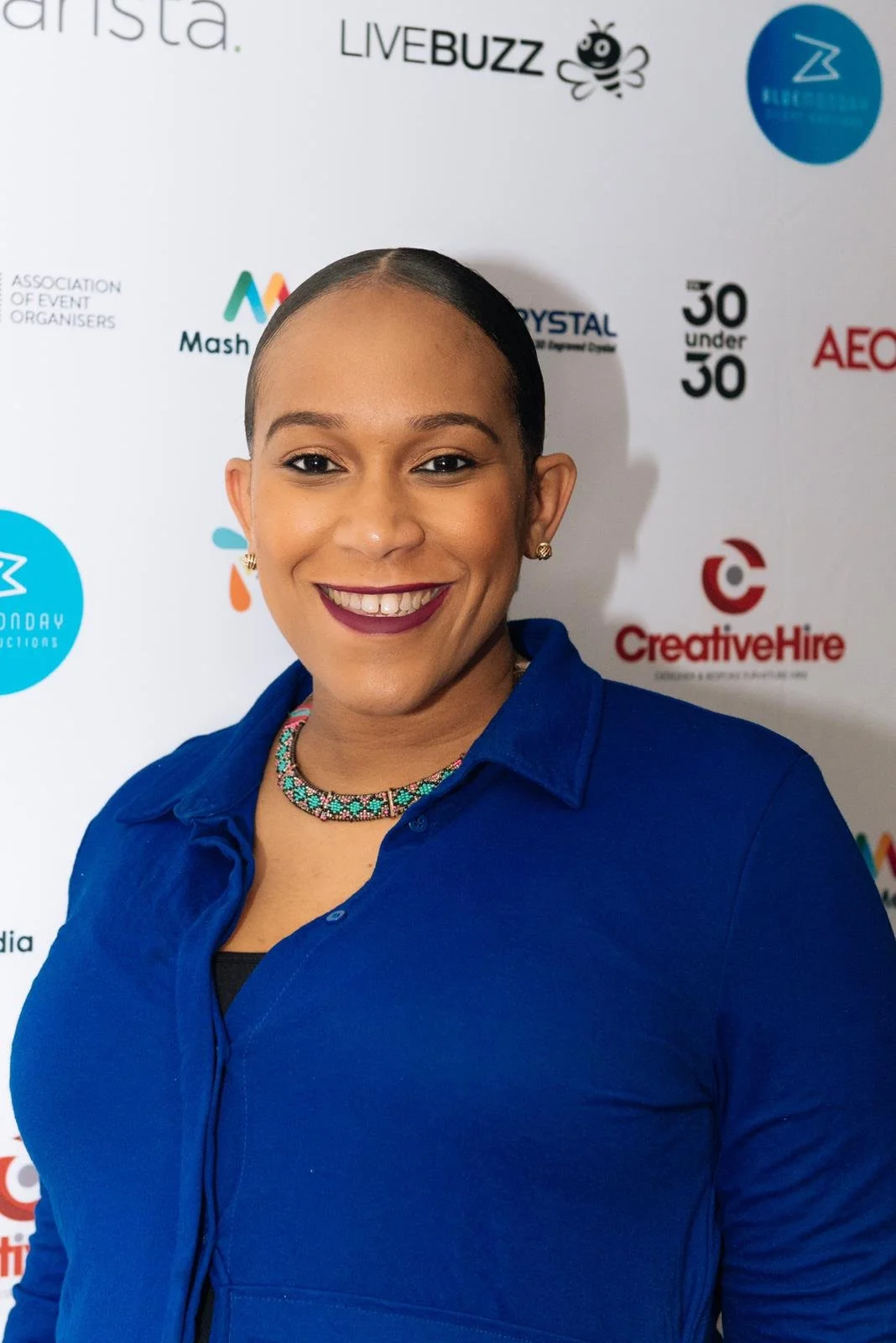
Sherma Ellis-Daal is Brand Director, CPHI Americas, Informa Markets. Sherma is an experienced Event director specializing in the global pharmaceutical and healthcare exhibition industry. With a strong background in B2B events and strategic industry engagement, she currently leads initiatives within the pharmaceutical market, bringing together innovators, suppliers, manufacturers, and decision-makers from across the healthcare ecosystem.
At CPHI, Sherma is committed to fostering collaboration across the pharmaceutical supply chain and helping shape conversations around innovation, resilience, and the future of pharma.
Image Credit: © vegefox.com - stock.adobe.com