
CPHI Americas 2026: Anchoring the Pipeline
Ahead of CPHI Americas, Kent Payne from Wilmington PharmaTech reveals how shifting geopolitical regulations, private equity capital, and specialized technical expertise are driving domestic pharmaceutical manufacturing.
The small molecule drug development landscape is undergoing a rapid, policy-driven realignment. Following recent structural announcements regarding pharmaceutical tariffs and specialized domestic investment packages, the commercial imperative to secure domestic API manufacturing capacity has transformed from a long-term risk-mitigation strategy into an immediate competitive necessity.
In advance of CPHI Americas, The Pharma Navigator sat down with Kent Payne, Ph.D., Managing Director, Wilmington PharmaTech, to discuss this accelerating domestic manufacturing boom. Additionally, the impact of recent legislative shifts on the API supply chain map, the specific process chemistry bottlenecks that catch early-stage sponsors off guard, and how early investments in polymorph and salt screening act as an insurance policy against late-stage analytical failure are explored.
Hot Topics of Conversation
TPN: What is Wilmington PharmaTech most looking forward to at CPHI Americas this year?
Payne: Onshoring conversations for API manufacturing continue to heat up after the latest announcements from Washington on pharma tariffs and special investment deals with top pharma companies. It’s now been confirmed that partnering with U.S. based CDMOs is counted as ‘domestic production’ for ‘most favored nation’ deals. We expect the demand for U.S. API capacity to heat up even more. With that in mind we are also very excited to talk about our newly announced expansion for commercial manufacturing capacity and our state-of-the-art HPAPI [highly potent API] suites.
Criticality of Technical Expertise
TPN: As biotech companies look to de-risk their supply chains, how has the criteria for a secure domestic partner evolved? Is it simply about geographic proximity, or are technical versatility and raw material insulation becoming the true differentiators?
Payne: Technical expertise is always vital. These clients are advancing vital products for their patients, and they are entrusting them to the care of CDMOs. It is critical to ensure all the analytical, tech transfer, capability, and equipment standards are above reproach. To secure the supply chain in the current environment this must now include regional supply partners in U.S., Europe and likely Asia. IP [intellectual property] creation and protection is vital to these innovators ability to achieve exclusivity in the market. CRDMO [contract research, development, and manufacturing organization] partners must bring a demonstrated record of creating and protecting IP on behalf of client to protect products that ultimate generate billions of dollars in sales annually.
Transitioning Scales Successfully
TPN: Many early-stage small molecule pipelines feature highly complex, non-traditional structures that present severe scale-up bottlenecks. Where do you see process chemists struggling the most when transitioning a complex synthesis from early clinical development into robust, commercial-scale production?
Payne: Some process chemists struggle with the transition when moving from gram-scale medicinal chemistry routes to kilogram-to-ton manufacturing, particularly around impurity control, safety of hazardous reagents, or high-energy steps, and the economics of workup/isolation on scale. Complex non-traditional structures often bring hidden issues like poor solubility, unstable intermediates, or difficult crystallizations that only surface under real plant conditions. A good CRDMO adds value by performing rigorous process safety testing, DoE [design of experiment] optimization, and early route scouting for manufacturability rather than just scaling the discovery route.
Investing Early with Solid-State Chemistry
TPN: How can drug sponsors better utilize solid-state chemistry (such as polymorph and salt screening) early in development to mitigate unexpected physical or analytical failures during late-stage manufacturing?
Payne: Smart sponsors integrate solid-state chemistry (polymorph, salt, and co-crystal screening) right at the lead optimization or pre-IND stage, once they have the first few hundred grams of API. In my experience, this early investment dramatically reduces late-stage surprises like form conversions, poor bioavailability, stability failures, or analytical complications during tech transfer and validation. Selecting the optimal developable form upfront avoids expensive bridging studies, formulation rework, and timeline slips that commonly plague programs that defer this work until Phase II or later.
Stronger Partnerships in the Future
TPN: Looking at the broader market, as private equity and capital continue to flow into specialized pharmaceutical services, how do you expect the service model for small-to-mid-sized biotech companies to evolve over the next few years?
Payne: As molecules continue to be more complex and the need to derisk supply chains through regional manufacturing grows, biotech customers will form stronger partnerships with CDMOs across the regions for development and manufacturing support. This includes customized arrangements for specific molecule needs. CDMOs with strong financial backing, often from a PE [private equity] investor, as well as available land and buildings with appropriate permits, expertise, and infrastructure would be well placed to deliver such support. Wilmington is located on a 54-acre former DuPont Merck campus fully permitted for chemical production, built out infrastructure, new commercial and HPAPI suites, Curewell Capital investment and a team with a successful track record over 300 INDs, seven commercial products, and thousands of batches is expressly designed to deliver.
Visit Wilmington PharmaTech in booth #846 or schedule a meeting with them at info@wilmingtonpharmatech.com
About the Interviewee
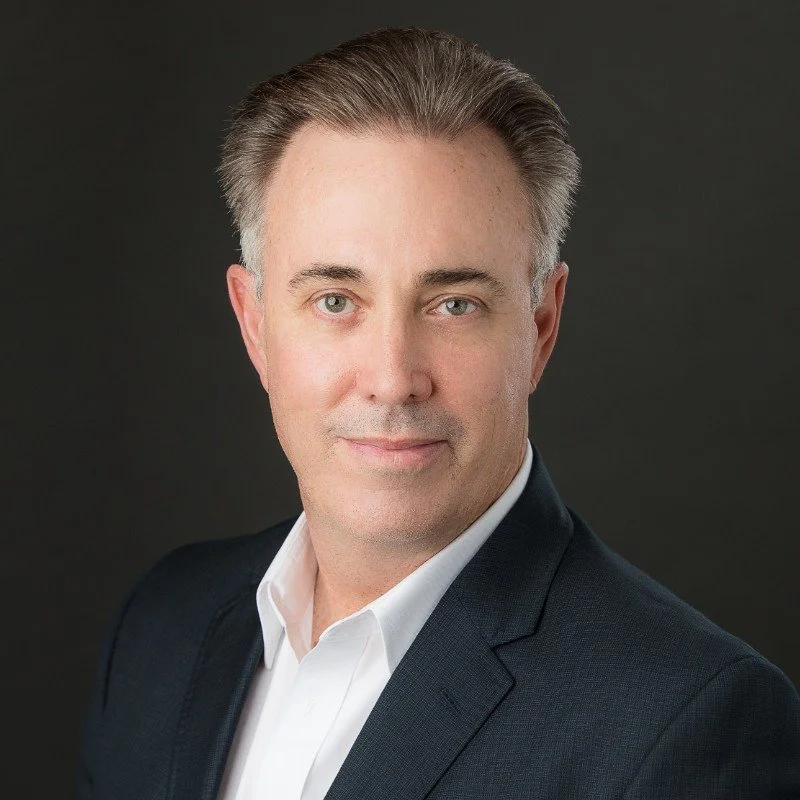
Kent Payne, Ph.D. is a distinguished business operator and leader in sales, commercial manufacturing, operational excellence, and product R&D. He has extensive executive experience in M&A and successfully led offerings from target identification through commercialization for both small and large molecules, including complex sterile, inhalation, oral, topical, and oral solution formulations.
Dr. Payne has served as an Operating Partner for Curewell Capital and is a Board Director for GBI. Previously, he was CEO of Aliri Bioanalytical, Bioduro, and Socorro Pharmaceuticals, and led the initial angel investment and was Board Chairman for PDS Biotechnology.
Image Credit: © somemeans - stock.adobe.com