
BIO 2026: Strategizing for Specialized Services
As pipelines shift toward complex, high-concentration, biological formulations, traditional manufacturing models are falling short, leading to a change in outsourcing strategies, notes Mark DaFonseca from Lifecore.
Drug development is shifting away from the traditional, legacy small-molecule pipelines and focusing on increasingly complex products that require greater technical acumen and specialized equipment, reveals Mark DaFonseca, Chief Commercial Officer at Lifecore. “The standard highly soluble, stable, small molecule days have been over for a while now and the progress of the biological based therapies continues to grow every year,” he says. “As a CDMO, we need to consider the physicochemical properties of the molecules, their stability, their solubility, or lack thereof, and how you can formulate them to achieve the desired target product profile.”
To illustrate his point, DaFonseca points to a trend being seen at Lifecore of innovators wanting to increase drug concentration in order to decrease delivery volume of injectable biologics. “Concentrating these products isn’t always easy, one side effect that can happen is an increase in the viscosity of the formulation,” he asserts.
“Not every CDMO has the experience to deal with aseptically filtering these high viscous products,” DaFonseca continues. “As a biotech, you need to make sure you choose a vendor that has experience in dealing with the particular types of issues, in this case, viscosity, that your molecule presents.”
Looking at injectable combination products specifically, DaFonseca emphasizes that there are distinct formulation and chemical properties that must be considered. “If there’s significant differences in the conditions that the molecules require to meet the product profile, having a strong formulation team is really critical to identifying the right excipients to overcome the challenges,” he says.
“As a CDMO,” DaFonseca notes, “you really need to understand what your strengths are, understand where the market's going in terms of these varying modalities, and then choose what sector you want to be in, because they're going to require different manufacturing equipment, potential containment equipment, a specific technical experience and skill set, and you really can't be all things to everyone.”
Additionally, this need for specialized technical execution is playing out against a backdrop of shifting geopolitical dynamics that are reshaping global supply chain strategies. “For mid-sized and large volume commercial products, I would say having a diversified supply chain with multiple vendors has been a concept most pharma and biotech companies have been acting on for a while now,” DaFonseca confirms. “But for smaller volume and orphan disease products, this is causing a real challenge where companies at times have been relying on a central CDMO to manufacture their product for global distribution.”
DaFonseca observes that while many international sponsors are actively performing exploratory work to run cost–benefit analyses on regional pricing dynamics, transferring an established product can prove financially prohibitive. However, because the U.S. remains the world's largest pharmaceutical market, current geopolitical pressures are leading to distinct shifts in strategies. "We're seeing decisions made by these companies to move the production abroad to the U.S. to avoid current and potential future tariffs, as well as just the rising cost of distribution in general," he reveals.
For novel programs, innovators are embracing a regional approach to supply chain design, intentionally embedding vendors in key geographic territories to counteract localized cost issues and enable local distribution models, DaFonseca continues. “But I think the key thing too is that they want to have vendors though that can distribute globally if they need to, because that's the risk mitigation approach that they require,” he says.
Furthermore, the recent increase in regulatory oversight of CDMOs is leading to a change in the way innovators assess prospective manufacturing partners. In the sterile injectables market, a wave of high-profile quality failures and negative audit results has altered the outsourcing dialogue entirely, DaFonseca stresses. Clients are moving the conversation away from pure capacity metrics or regulatory checklist compliance, such as Annex 1, to take a much harder look at a CDMO’s long-term quality systems and compliance history, he reveals.
Previously, quality was an unspoken assumption, with many clients assuming that because of a certain brand and tenure of an organization, their quality systems were in place and working well, DaFonseca specifies. “However, we’ve seen some high-profile organizations having challenges in this area,” he says.
“Companies are now spending a lot more time asking detailed questions about quality, making sure quality audits are performed before they make an outsourcing decision, not just a checkbox after the fact,” DaFonseca notes. As there is greater scrutiny over quality systems in general, “an organization has to make sure that they’re compliant, not just with the FDA, but with the European agencies and other regulatory authorities that have slightly different requirements,” he summarizes.
Lifecore will be exhibiting at this year’s BIO conference at stand #4507
Click the video above to view the full interview
About the Speaker
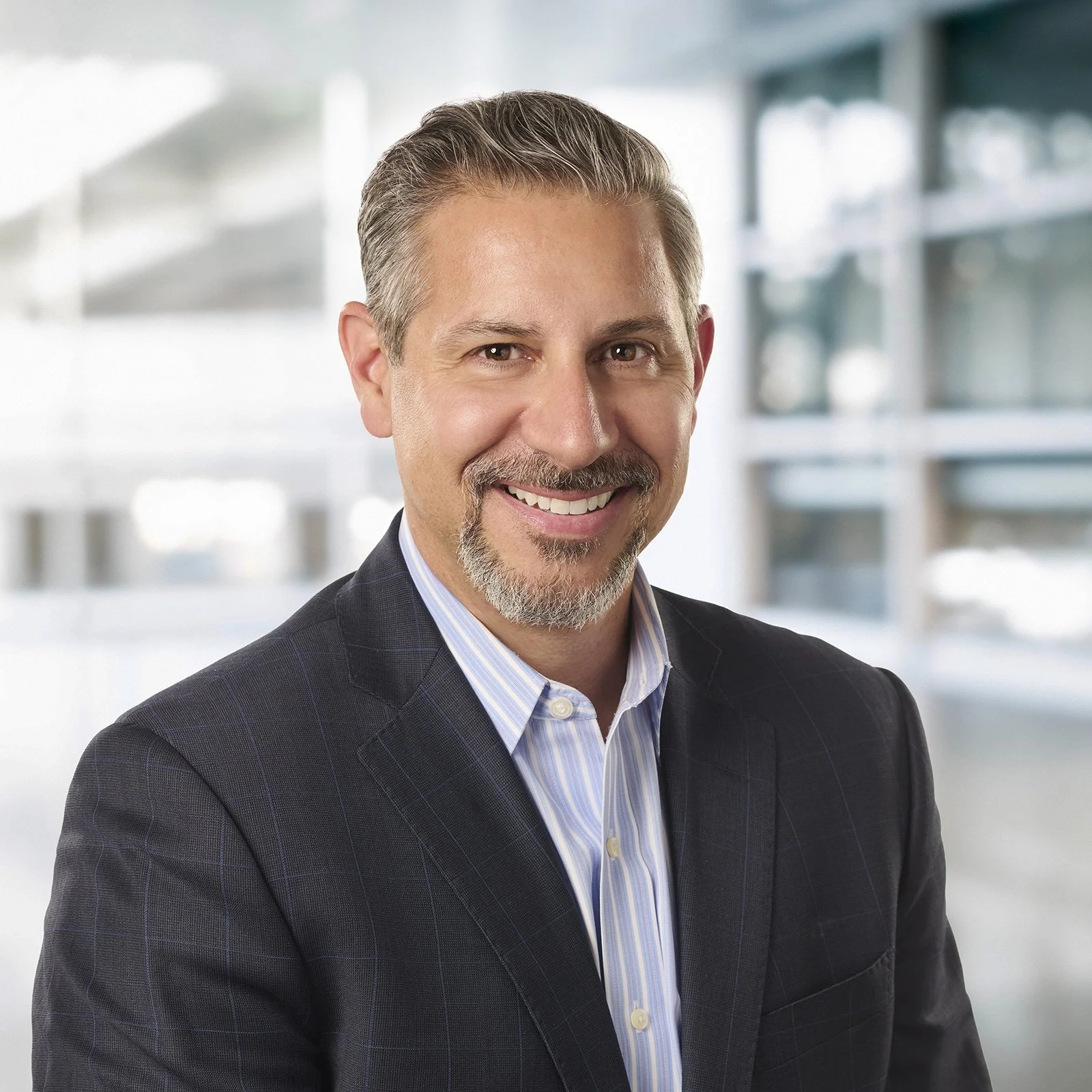
Mark DaFonseca serves as Chief Commercial Officer at Lifecore, bringing 25+ years of industry experience and leadership in the life science services sector. Prior to Lifecore, Mark spent several decades in commercial leadership at CoreRx, AmbioPharm and CordenPharma, consistently delivering strong market expansion, revenue growth, and client engagement results.
Mark began his career as an analytical chemist at AAI Development Services (now Alcami), and progressed from the lab to various commercial support, front-line sales, and sales leadership positions across a variety of service providers. His deep experience spans the drug development continuum from API to Drug Product and across a multitude of modalities. Mark holds MBA and Bachelor of Science (Biology) degrees from the University of North Carolina at Wilmington.
Music from #Uppbeat (free for Creators!):
https://uppbeat.io/t/richard-smithson/air
License code: X2R2MAH5NFJKENR1
Image Credit: © The KonG - stock.adobe.com